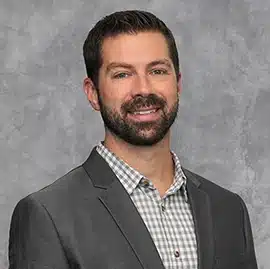



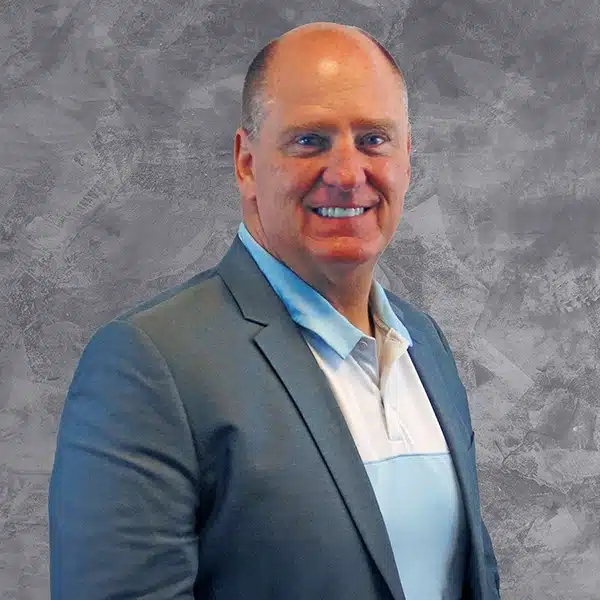
Brian Fordon
Director of Safety
Safety isn’t something we achieve once—it’s something we choose, reinforce, and live every single day. Our record reflects that commitment, but our culture is what sustains it.
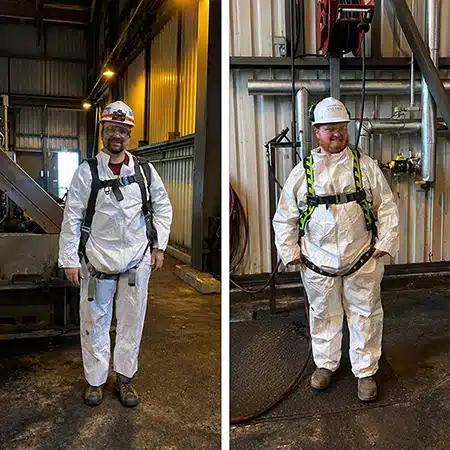
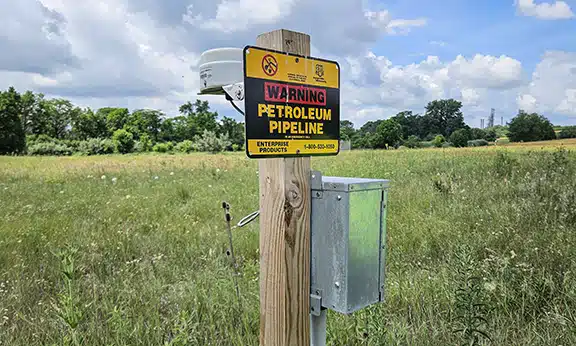
Railcar Dumper System Inspection
Read more about a project where our team required additional safety training
At Valdes Architecture & Engineering, safety isn’t a line item or a quarterly goal. It’s a commitment that shapes how we plan, execute, and deliver every project. As the Safety Director, I have the privilege—and responsibility—of helping lead that commitment across our organization. And while our numbers tell a compelling story, what matters most is the culture behind them.
Still, those numbers are worth pausing on.
We have achieved more than 4,675,000 hours worked without a single injury. We have maintained zero OSHA recordables for over 15 years, and our Total Recordable Incident Rate (TRIR) remains at zero. Along the way, our teams have earned over 44 safety awards, recognizing not just outcomes, but the consistency and discipline required to sustain them.
But safety excellence is not built on statistics alone—it’s built on habits, accountability, and shared ownership.
A Culture That Starts with People
Every employee at Valdes plays a role in maintaining our safety culture. Whether in the field, in the office, or supporting projects behind the scenes, safety is never someone else’s responsibility. It belongs to all of us.
We reinforce this through our weekly all-company safety meetings, where teams come together to discuss real-world scenarios, lessons learned, and evolving best practices. These conversations keep safety top of mind and ensure that knowledge is shared across disciplines and job sites.
Discipline in the Details
One of the most overlooked drivers of safety performance is documentation. At Valdes, we emphasize thorough, consistent reporting—not as a formality, but as a critical tool.
Daily job reports, for example, provide visibility into site conditions, activities, and potential risks. They create a record that allows us to identify trends, address concerns early, and continuously improve how we operate. Documentation turns experience into insight, and insight into action.
Leadership and Accountability
Having a dedicated Safety Director is not about oversight—it’s about alignment. My role is to ensure that safety expectations are clear, resources are available, and accountability is consistent across every level of the organization.
But leadership doesn’t stop with one role. Project managers, supervisors, engineers, and field personnel all contribute to setting the tone. When safety is reinforced at every level, it becomes embedded in how work gets done—not something added on at the end.
Earning Trust Every Day
Clients trust us with complex, high-stakes projects. That trust is earned not only through technical expertise, but through our ability to deliver work safely and reliably.
A zero incident rate doesn’t happen by chance. It is the result of planning, communication, vigilance, and a willingness to speak up when something doesn’t look right.
Looking Ahead
We are proud of our record. But safety is not something we look at in the rearview mirror. It’s something we actively build every day.
Our goal isn’t just to maintain zero incidents—it’s to strengthen the systems, behaviors, and culture that make that possible. Because in the end, safety is about people going home the same way they arrived: healthy, confident, and ready for tomorrow.
That’s the standard at Valdes. And it’s one we intend to keep.
Contact [email protected] to discuss your project needs.
Share this post